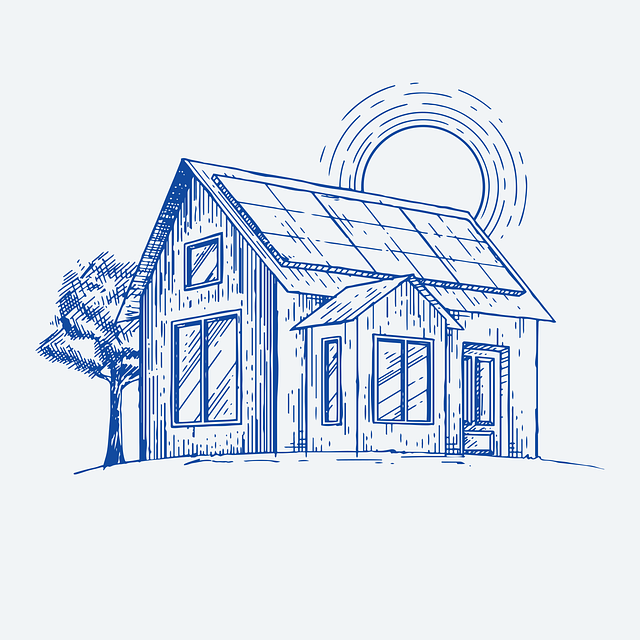
What is Passive Solar Heating
Passive solar heating is a method of using the energy from the sun to heat a home. It is extremely popular because the process is free once a passive solar home is created.
Is Passive Solar A Viable Home Heating Option In Cold Areas?
Passive solar can be used to heat a home in colder areas, but you have to go into it with reasonable expectations. While the cold climate is a hurdle, the real issue is going to be the length of time the sun beats down upon your property. If your home receives only four or five hours of direct sunlight a day, forget it. You will never produce enough energy to keep the home warm for sufficient periods of time.
Passive solar design is very popular in warm to mild climates because it is more or less a free method for warming a home.
The manipulation of the position of the home and placement of large windows in the south-facing wall is typical strategies for dealing with the issue.
Obviously, large windows in a cold climate are going to result in significant heat loss regardless of the quality with which they are built. So, what can you do?
Two prime methods for passive solar heating
There are two primary approaches to creating a passive solar design that works in the winter.
The first is the use of a large Trombe Wall and the second is the greenhouse approach.
A Trombe wall
A Trombe wall is a massive equator-facing wall that is painted a dark color in order to absorb thermal energy from incident sunlight and covered with a glass on the outside with an insulating air-gap between the wall and the glaze.

Trombe Walls are popular in passive solar designs because they effectively convert sunlight to heat and are interesting to look at.
Typically, a Trombe Wall is 8 to 12 feet in length on the south-facing wall of a home when in the Northern hemisphere.
In significantly colder areas, the wall is going to need to be much larger, perhaps the full length of the home depending upon energy analysis and if cold weather is expected. An energy audit of the home is needed to identify a suitable design.
You are also going to have to incorporate a strategy for the heat that is produced. As the sun enters the glass plate and heats up the masonry of the wall, you risk losing vast amounts of it through the glass surface.
This means you need to create an air circulation method whereby you draw the hot air into a secondary space behind the wall. This can simply be a closed-off room or a space intended for the purpose.
The circulation should be done on a timer similar to the solar thermostats used on solar hot water panels. The point is to keep the built-up heat from escaping back into the environment.
The greenhouse effect
The second approach is the greenhouse approach which is simpler in nature. The essential idea is to build an insulated greenhouse to collect and store the heat of the sun during the day.
Often called a sunspace, the greenhouse is similar to those used for plants. you may be surprised to know that even in cold climates, the sun will produce a significant amount of heat.
Again, the problem is how to stop the heat from escaping once it has built up. Since the sun has to come in through a transparent surface, you inevitably have the problem of the heat escaping the same way.
The best option is to use a controlled timer to blow the air through to the house once certain temperatures are reached. It is not very efficient, but better than nothing if you have no other choice.
Both of these approaches are alternatives to installing traditional solar panels on your roof.